Parents
Parent education resources, answers, and support for helping your child's communication grow at home.







Parent education resources, answers, and support for helping your child's communication grow at home.


Play-Based Therapy
Play is one of the most natural ways children learn to communicate. In therapy, we use child-centered play to create meaningful opportunities for speech sounds, vocabulary, turn-taking, listening, social connection, and confidence. Each activity may look playful on the outside, but it is guided by specific goals and shaped so families can carry the same strategies into everyday routines.
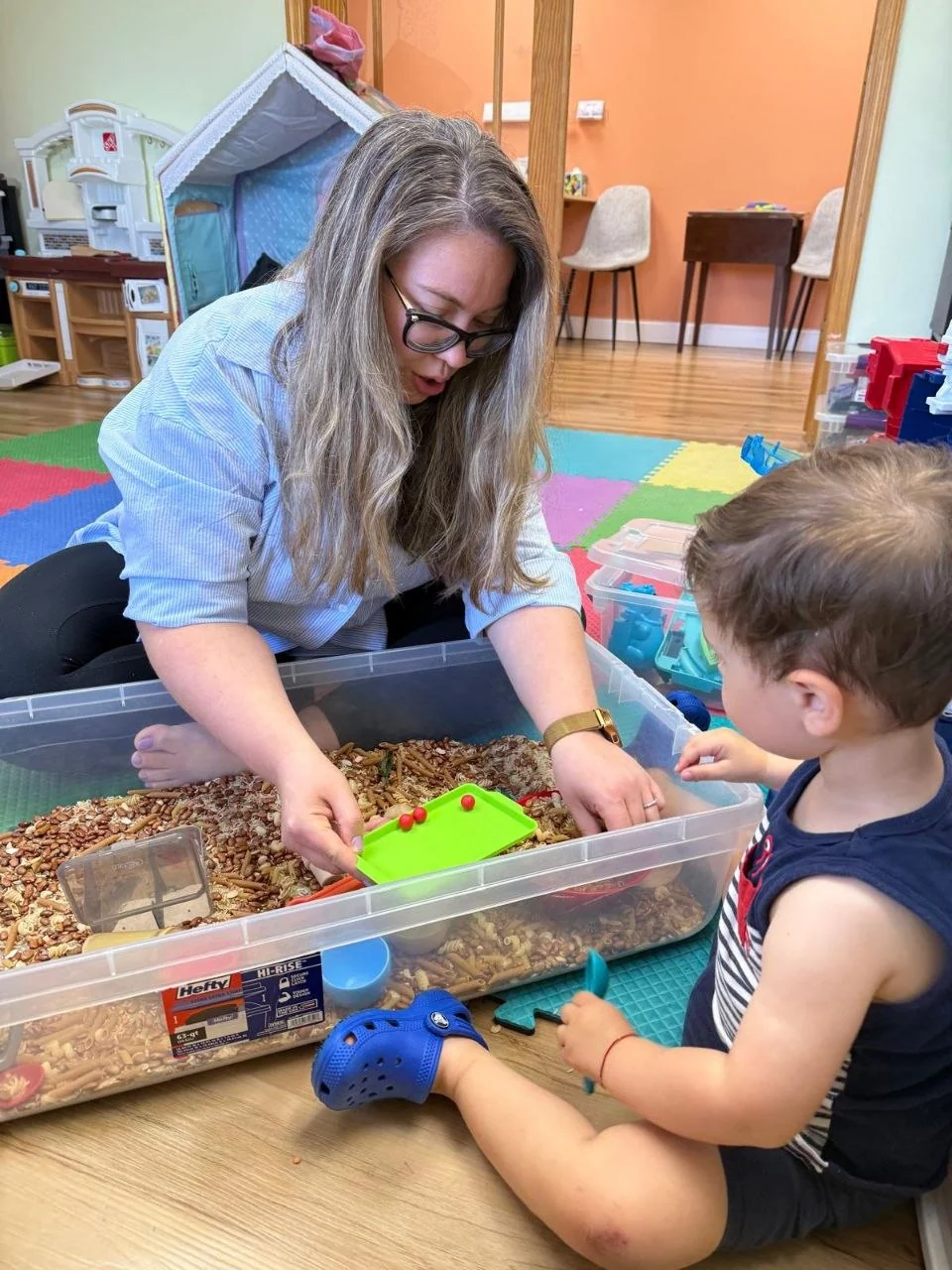
Child-Centered Approach
From playful routines to parent coaching, every session connects your child's interests with meaningful communication goals.


We start with what captures your child's attention, then build communication opportunities inside that play.
Related supportChoice-making; joint attention; imitation; early sounds; spontaneous communication.

Play is guided with purpose so vocabulary, sounds, comprehension, turn-taking, and confidence are practiced naturally.
Related supportVocabulary; sentence building; speech sounds; listening; play routines; social language.
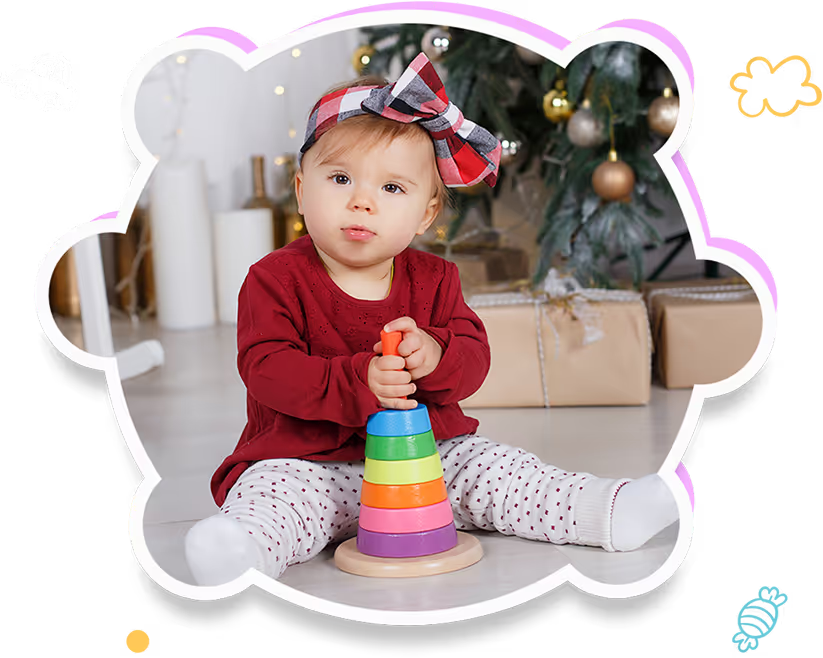

Parents learn what to model, when to wait, how to expand language, and how to practice without pressure.
Related supportHome practice; daily routines; carryover strategies; confidence-building support.

The goal is progress that shows up beyond the session: at home, in daycare, with family, and in the community.
Related supportPlay; conversation; transitions; peer connection; regulation; everyday communication.



FAQ
A quick guide to common questions before your child begins speech therapy.
We accept payment through various insurance plans as well as private pay. If you are unsure about your coverage, contact us and we can help review next steps.
Therapy sessions typically last 30-45 minutes, depending on the needs of the child and the goals being addressed that day.
Yes. Parents are welcome to attend, and we encourage parent involvement so children can keep practicing skills in everyday routines.
Logoped provides speech-language support in daycare settings, at our Manalapan private office, and through our mobile RV service when appropriate.
Email the completed forms to logopedllc@gmail.com. Our team will follow up with scheduling, insurance, and any details needed before the first visit.